
 Business License
How to Choose a Spiral Profile Pipe Machine: A Buyer's Checklist
A procurement officer in South America once shortlisted three suppliers using only the lowest quoted price. He then discovered after deposit that none of the lines could reach the DN3000 size his water authority contract required.
The retrofit cost more than the original savings and delayed the project by the better part of a year. Buying a spiral profile pipe machine deserves a checklist, not a quick price comparison that hides capability gaps.
This article gives buyers a structured way to evaluate what they actually need before contacting suppliers. A disciplined process prevents the mismatch that caught that procurement officer and protects the capital tied up in the order.
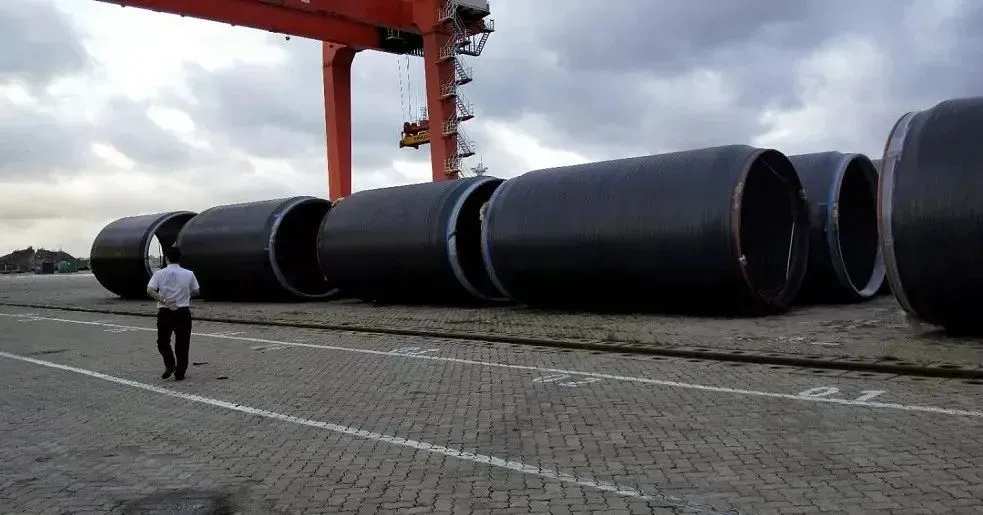
1. Define Your Diameter Band First
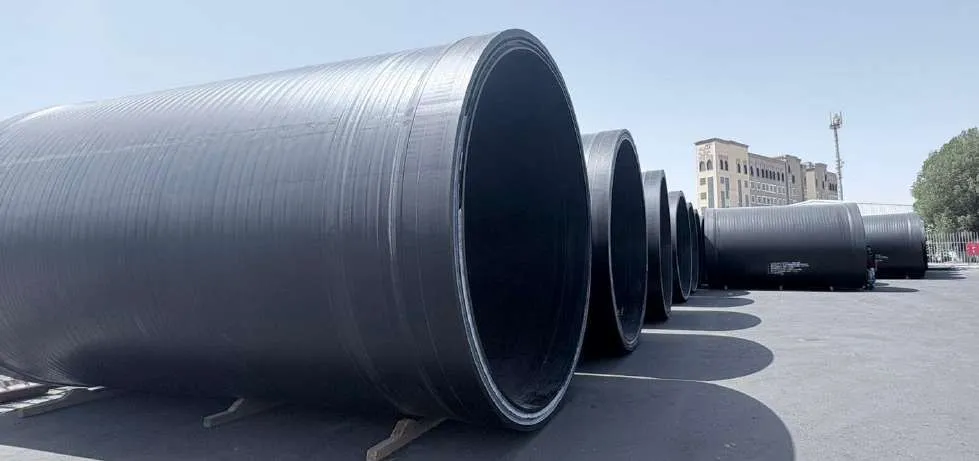
The single most important input is the diameter range your orders will demand over the next few years. A line built around DN300-DN1200 is a different machine from one built for DN2000-DN5000, even if both carry the same product label on the quote.
Write down your top diameters by expected volume and be honest about the tail. Most plants serve a band rather than the full range, and that band should drive the specification.
Qingdao Yongke Machinery sizes each line to a target band so capacity stays realistic instead of being diluted across sizes you rarely make. A focused band also lowers mandrel and tooling cost at the point of purchase.
Resist the temptation to buy the widest possible range hoping for future orders. Unused diameter capacity is parked capital that earns nothing and complicates maintenance for the sizes you do run.
2. Decide the Wall Types You Must Make
Spiral profile pipe comes in single-wall and double-wall forms, and the machine setup differs between them in meaningful ways. Double-wall profiles raise ring stiffness for deep burial but need more precise control at the fusion zone to avoid trapped air.
Confirm which stiffness classes your local standards require before you commit, because that decides the profile geometry. If your work is mostly shallow culverts, single-wall profiles keep the line simpler and the crew smaller.
If you serve trunk sewers or storage tanks, double-wall capability becomes essential and should be tested during any factory run you witness. Yongke Machinery documents the wall types each configuration supports so buyers do not discover limits after delivery and payment.
Matching wall type to application prevents both over-specification, which inflates cost, and the failure mode where a pipe cannot carry its design load in the ground.
3. Check the Extruder and Profile Specs
The extruder is the heart of the line, and its specs decide how much profile strip the winding head receives per minute. Screw diameter, L/D ratio, and heating zones are the three numbers that matter most for output and melt quality.
The table below lists the specs worth confirming on any quotation before you sign.
| Spec | Why it matters |
|---|---|
| Screw diameter | Sets maximum strip output |
| L/D ratio | Affects melt homogeneity |
| Heating zones | Controls temperature stability |
| Profile width range | Limits wall design options |
| Winding angle control | Drives seam quality |
Our team advises comparing these specs across suppliers rather than comparing only price, because a weak link here limits every later process step. A slightly larger screw often removes a future bottleneck at large diameters where output matters most.
Qingdao Yongke Machinery states these numbers openly during quotation so the comparison stays objective. Hidden limitations in any one of them surface later as scrap or rejected orders that damage your own customer relationships.
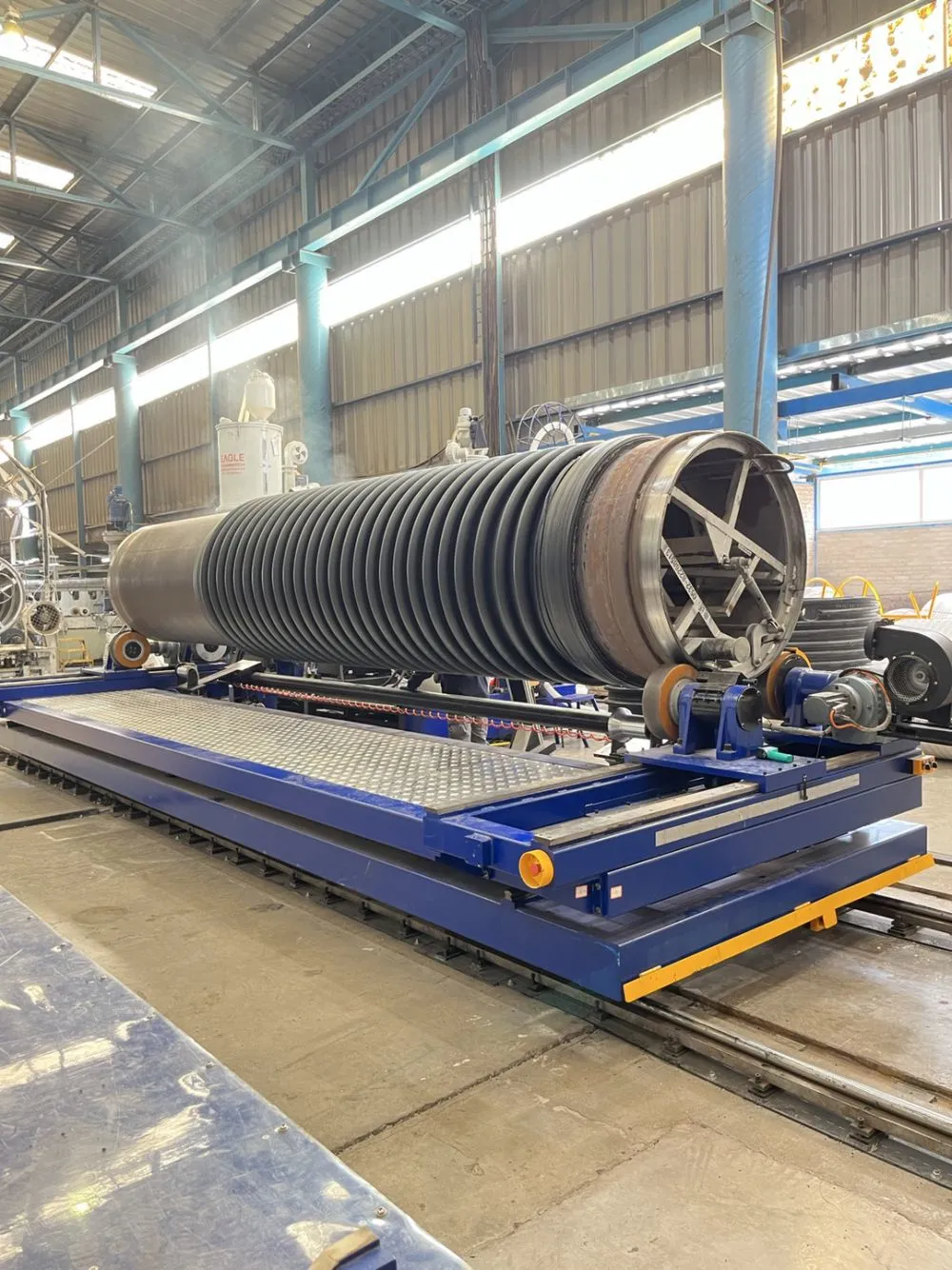
4. Evaluate Control and Monitoring
Modern lines live or die by their control system, and this is where newer buyers underestimate the difference. A PLC with touchscreen, closed-loop temperature, and alarm logging keeps seam quality consistent across a full shift without constant operator attention.
Ask whether the supplier provides remote diagnostics and recipe storage for repeat orders, because both save hours when a new grade comes in. For buyers new to winding, the control interface is where training time is won or lost in the first weeks.
Yongke Machinery includes operator training and a documented recipe library so a new crew reaches stable output faster than it would from a manual. A line without good controls forces every quality decision back onto the operator's memory, which is the least reliable place to put it.
Check also whether the system logs production data to a file. That log is invaluable when tracing a seam defect to its cause after a batch has already shipped to a customer.
5. Verify Certification and Export Readiness
If you import the line, confirm it meets the certifications your market expects before the container leaves the port. Common ones include CE for Europe and ISO quality systems for general acceptance across many regions.
The table below shows what to request in writing rather than accepting a verbal assurance from a sales representative.
| Document | Purpose |
|---|---|
| CE declaration | European market access |
| ISO 9001 certificate | Quality system evidence |
| Wiring and safety diagrams | Local inspection clearance |
| Spare-part list | Maintenance planning |
Qingdao Yongke Machinery holds ISO9001, ISO14001, and ISO45001 and builds lines to CE-compliant standards, shipping from Qingdao Port to more than a dozen regions. Request the actual certificates, not a statement that they exist in a drawer somewhere.
Also confirm local voltage and safety norms before finalizing, because these vary by destination and a mismatch can block commissioning at the buyer's site for weeks after arrival.
6. Assess Supplier Support and Spare Parts
A machine is only as good as the support behind it, and winding lines need more of that support than basic extruders do. Confirm lead time for wear parts, whether the supplier stocks them, and how quickly technical help responds when something stops.
A winding line has more synchronized subsystems than a basic extruder, so spare-part strategy matters more to uptime. Our team recommends asking for a wearing-parts kit with the initial shipment so the first failure is not a crisis.
Yongke Machinery includes commissioning and training in its delivery scope, which shortens the time from arrival to stable production and keeps early scrap low. A supplier who cannot name a spare-part lead time is a supplier you may wait on during your busiest selling season.
Documented regional stockists further reduce the risk that a single failed component idles the entire line for weeks while a part crosses an ocean.
7. Visit or Virtually Inspect the Factory
Before depositing a large sum, inspect a running line making your target product, not a showpiece in a lobby. If travel is impractical, request a live video run showing the target diameter and wall type with the seam in frame.
Watch the seam and the cut quality, not just the brochure speed that looks impressive on paper. A factory visit also reveals how the supplier handles assembly discipline and pre-shipment testing under normal conditions.
Qingdao Yongke Machinery welcomes inspection at its Qingdao facility, where lines are run and checked before shipment so surprises are caught at the source. Seeing the line make your product removes most post-delivery surprises that turn into expensive arguments.
Buyers who skip this step are the ones who later find the line cannot do what the catalog implied, which is far costlier than a site visit and a few days of travel time.
8. Model the Total Cost of Ownership
Price is the smallest part of the picture once the line is running every day. Energy, resin waste, labor, maintenance, and downtime shape the real cost per meter over five years of operation in your market.
The table below lists the ownership factors to model before you compare two quotations that look similar on the surface.
| Factor | Impact on cost per meter |
|---|---|
| Energy use | Scales with screw and heating |
| Start-up scrap | Higher on complex lines |
| Labor skill | Training cost upfront |
| Spare-part price | Recurring over life |
| Downtime risk | Largest hidden cost |
The company advises buyers to request a capacity and consumption estimate per diameter so the model uses real numbers from the actual machine. A line that costs a little more but rarely stops often beats a cheap line that idles during peak demand.
Financing terms and delivery lead time also belong in the ownership model, since a late line delays the revenue that pays for it and may breach your own customer contracts.
9. Two Buyers Who Used the Checklist
A municipal supplier in North Africa not long ago approached several vendors for a DN300-DN1500 line. It applied the diameter-band and wall-type checks first, then eliminated two suppliers whose double-wall capability was unproven at DN1500 under test.
The remaining bid won on control quality and documented CE paperwork rather than on the lowest price on the page. The line commissioned on schedule and the plant reached stable output within the first month of operation without a costly rework loop.
In a different case, a startup in Southeast Asia a while back skipped the factory inspection to save time and a ticket. It later found the winding head angle control drifted beyond tolerance, producing inconsistent seams on DN2000 tank sections that had to be rerun.
Because the buyer had not seen the line run, the defect was discovered only after material was already consumed and paid for. The correction required a supplier visit and rework that cost more than the avoided trip would have, plus lost customer confidence.
10. Build Your Shortlist and Score It
Turn the points above into a simple scorecard with weights that reflect your priorities. Weight diameter fit, wall capability, control quality, certification, support, and ownership cost, then score each supplier against the same sheet.
Score each supplier, then visit the top one before depositing. This disciplined approach prevents the price-only trap that caught the South American buyer at the start of this article and repeats across the industry.
Qingdao Yongke Machinery encourages scoring against published specs so the comparison stays objective rather than swayed by a polished presentation. Keep the final decision tied to your actual order book, not to the most impressive demo reel.
A transparent quotation makes the scorecard meaningful rather than a guess, and it gives you leverage to negotiate the items that scored weakest before you commit.
11. Frequently Asked Questions
11.1 What diameter range should a first machine cover?
Cover the band your orders actually use, not the full DN300-DN5000 range that looks impressive in a catalog. A new plant typically starts with a focused band such as DN300-DN1200 or DN800-DN2000, which lowers mandrel and tooling cost while keeping output realistic for the crew.
Buying the widest possible range parks capital in sizes you rarely produce and complicates maintenance for the ones you do run. Qingdao Yongke Machinery sizes each line to a target band and documents the capacity curve so you can confirm the fit before purchase. Revisit range only when order data shows steady demand at the edges of your current capability, then add mandrel sections rather than buying a second line prematurely.
11.2 How important is the control system for a beginner?
Very important, because winding quality depends on consistent seam fusion that a manual operator cannot hold across a full shift without instrumentation. A PLC with closed-loop temperature and recipe storage lets a new crew repeat good settings order after order instead of rediscovering them.
Look for alarm logging and production data capture so defects can be traced to their cause rather than guessed at. Yongke Machinery includes training and a documented recipe library to shorten the learning curve for plants without prior winding experience. A line without strong controls pushes every quality decision back onto memory, which is exactly where beginner plants lose money through scrap and customer returns.
11.3 Which certifications must the line have for export?
It depends on your market, but CE is essential for Europe and ISO 9001 is broadly expected as quality evidence across many regions. Also request wiring and safety diagrams for local inspection, plus a spare-part list for maintenance planning that your technicians will need.
Qingdao Yongke Machinery holds ISO9001, ISO14001, and ISO45001 and builds to CE-compliant standards, shipping from Qingdao Port to more than a dozen regions. Always ask for the actual certificate documents rather than a written claim, since customs and insurers may require them on arrival. Confirm local voltage and safety norms before finalizing the order to avoid commissioning delays at your site that nobody budgeted for.
11.4 Should I visit the factory before paying a deposit?
Yes, or at minimum request a live video run of your target diameter and wall type with the seam visible in the frame. Seeing the line make your product reveals seam quality and cut finish that a brochure speed cannot show and that a polished video edit can hide.
A visit also exposes assembly discipline and pre-shipment testing practice that separate serious suppliers from casual ones. Yongke Machinery welcomes inspection at its Qingdao facility where lines are run and checked before dispatch, so you witness the actual process. Buyers who skip this step are the ones most likely to discover after delivery that the line cannot do what the catalog implied, which is far costlier than a trip and a few days of travel.
Recently Posted
-
Qingdao Yongke Machinery: Full-Category Spiral Pipe Equipment from China's Qingdao
September 1, 2026Choosing a machinery supplier for large-diameter plastic pipe production is a long-term decision, because the line you install wil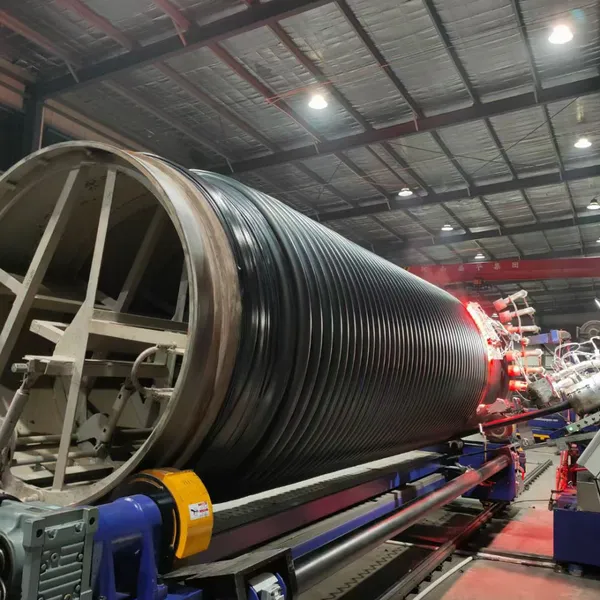 Read More
 -
Quality Control in Spiral Pipe Machine Manufacturing
August 31, 2026A buyer in South America some time ago received a winding line that looked complete on the surface but suffered repeated seam defe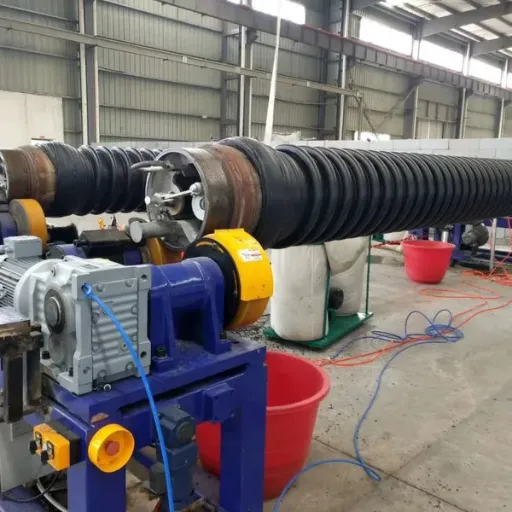 Read More
 -
Spiral Pipe for Sewage and Drainage Networks: Production Notes
August 28, 2026A municipal contractor in Eastern Europe some time ago took delivery of spiral-wound sewer pipe that looked flawless on the line.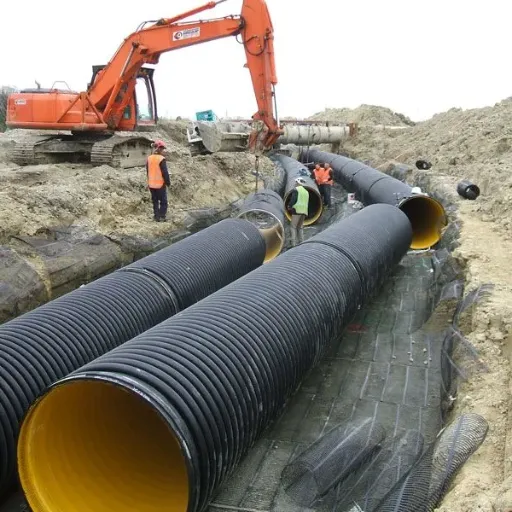 Read More
 -
DN300 to DN5000: Diameter Range and Machine Configuration
August 27, 2026A plant owner in Central Asia once asked for a line "up to DN5000" because a future tender mentioned large storage tanks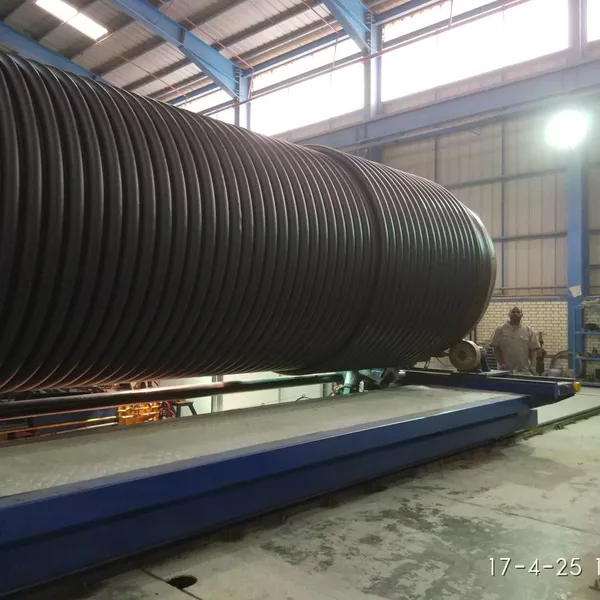 Read More

Contact Us
Recommended Products
-
 CIPP Glass Fibre Liner MachineNegotiableMOQ: 1 Set
 -
HDPE Helically Wound Tank MachineUS$ 10MOQ: 1 Set
-
CIPP Glass Liner MachineNegotiableMOQ: 1 Set
-
CIPP Felt Liner Manufacturing MachineNegotiableMOQ: 1 Set
-
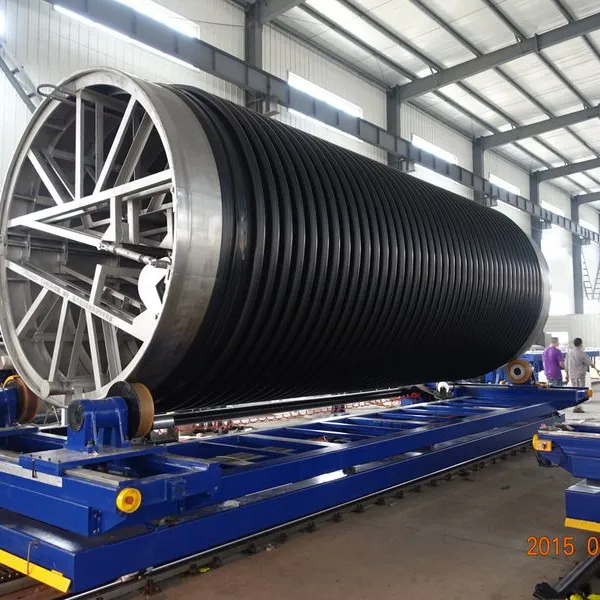
Large Diameter HDPE Sea Intake Outfall Structured Wall Pipe Making MachineNegotiableMOQ: 1 Set
-
UV-CIPP Glass Fibre Liner Manufacturing MachineUS$ 1000 - 110000MOQ: 10 Meters
-
HDPE Pipe Extrusion Machine / PE Pipe Production Line With High OutputNegotiableMOQ: 1 Set
-
UV-CIPP Glass Fiber Liner Hose Production LineUS$ 1000 - 110000MOQ: 1 Set
-
HDPE Spiral Structure Wall Pipe MachineNegotiableMOQ: 1 Set
-
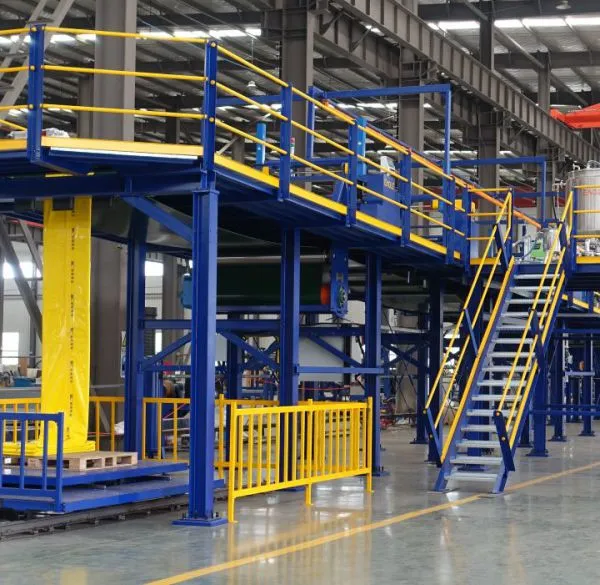
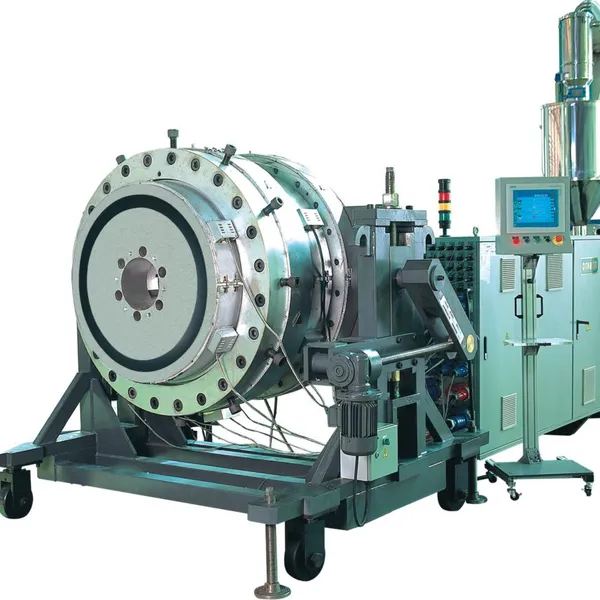
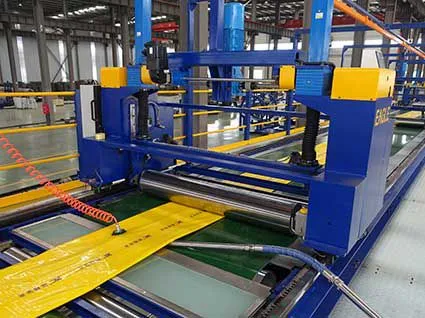
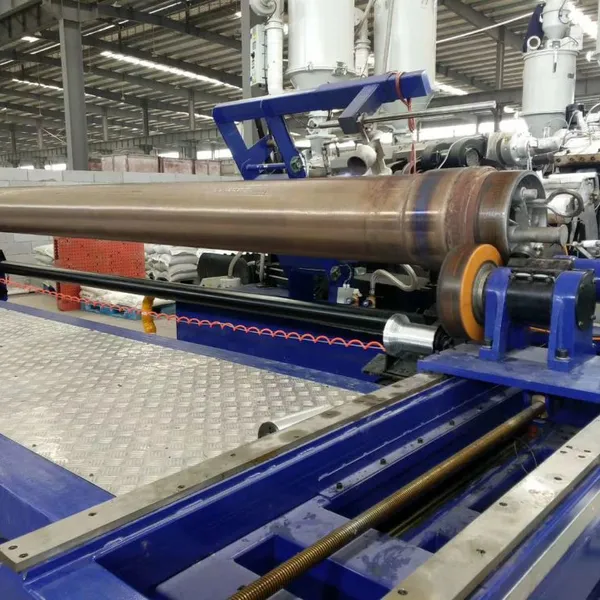
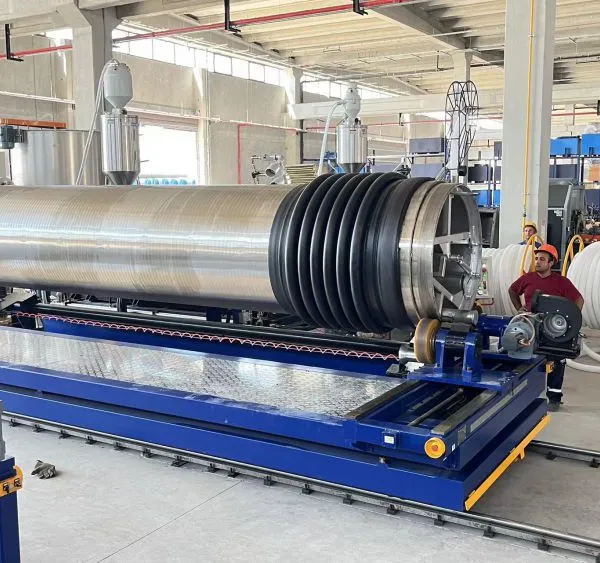
HDPE Spiral Pipe MachineNegotiableMOQ: 1 Set
-
HDPE Spiral Tank MachineNegotiableMOQ: 1 Set
-
Krah Pipe MachineNegotiableMOQ: 1 Set
-
Plastic HDPE PVC PPR Pipe Extrusion Making Machine Extrusion LineNegotiableMOQ: 1 Set
-
PVC Pipe Extrusion Production Line for Electrical Conduit and Water Supply PipesNegotiableMOQ: 1 Set
-
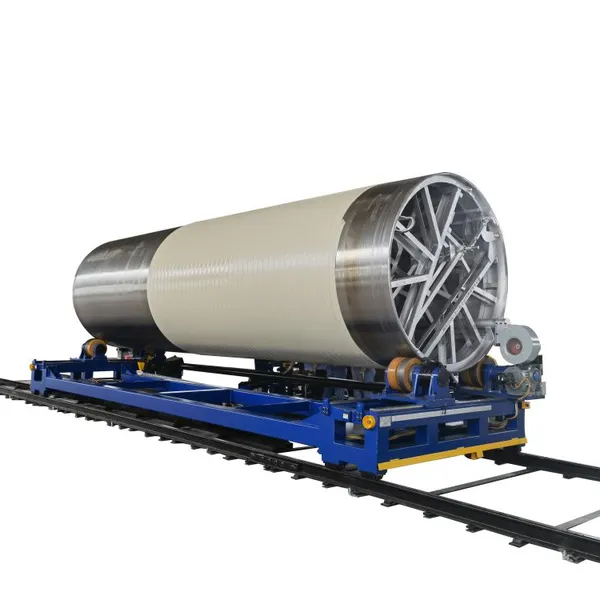
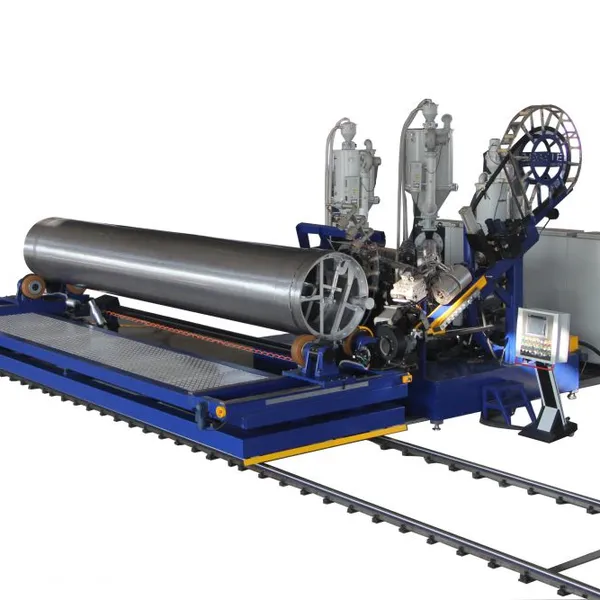
Hot Sell Single Wall Corrugated Pipe Extrusion Line With Competitive PriceNegotiableMOQ: 1 Set
-
HDPE Krah Profild Pipe MachineUS$ 10000MOQ: 1 Set
-
Plastic Tank CNC Holes Boring MachineUS$ 10000MOQ: 1 Set
-
Double Wall Corrugated Pipe Extrusion LineNegotiableMOQ: 1 Set
-
Single Wall Corrugated Pipe Extrusion LineNegotiableMOQ: 1 Set
-
Inversion CIPP Liner Tube Manufacturing MachineNegotiableMOQ: 1 Set